Deciding What Your Trees Need Before the Next Storm Season
Homeowners in storm-prone regions benefit from a clear playbook that helps them scope tree care needs before wind and rain arrive. Start by walking your property and noting tree age, species, lean, and proximity to structures and utilities. Then, align your goals—shade, views, privacy—with safety considerations. This early scoping step keeps later decisions focused, trims surprises, and frames a plan that fits both risk tolerance and budget boundaries.
Meanwhile, a structured tree risk assessment creates a baseline for action. Inspect root flares, trunk seams, bark cracks, and canopy dieback, and document any fungal conks or soil heaving. In practice, this assessment informs whether tree pruning can reduce sail effect, or whether cabling and bracing could buffer weak unions. When structural defects exceed reasonable thresholds, removal may enter the conversation, but it should follow clear evidence, not assumptions.
Beyond that, maintenance scheduling should reflect growth rates and seasonal timing. Pruning cycles vary by species and site exposure, so validate that your timing avoids peak pest activity and respects flowering periods if aesthetics matter. Tree trimming for clearance around roofs and lines can be phased, limiting stress on trees while still improving airflow and light. Calibrate frequency based on observed regrowth rather than generic calendars to maintain canopy health.
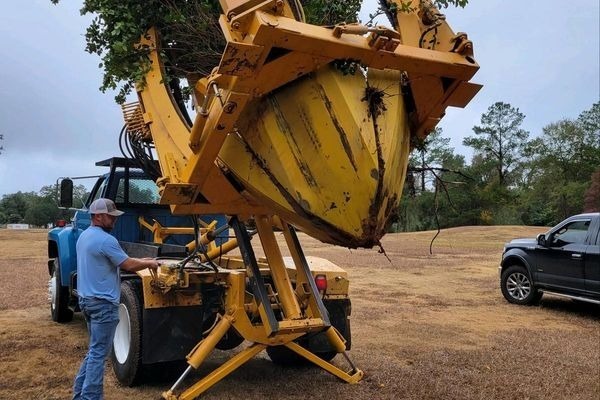
Often, site logistics shape what’s feasible. Narrow drives, fences, or soft lawns can limit equipment access, so verify a staging area for brush and debris removal before work begins. Crane-assisted tree removal may reduce yard impact on tight lots or when a canopy overhangs valuables. Sequence cuts to minimize swing and load, and preserve high-traffic areas by laying ground protection where tires or dollies will travel.
However, not every issue requires heavy intervention. Plant health care emphasizes root zone vigor, water balance, and soil structure. Soil care and root zone management can refine compaction, improve drainage, and deliver fertilization targeted to lab results rather than guesswork. When insect and disease management is necessary, ask how thresholds are set, what monitoring looks like, and how treatments are integrated with pruning to reduce reinfestation.
Then, think lifecycle, not single visits. Newly planted trees need staking checks, watering plans, and mulch depth verification to prevent girdling roots. Tree planting should match species to microclimates and future canopy size, avoiding rework from conflicts with sidewalks or eaves. As trees mature, revisit support systems and remove outdated hardware. Document changes so the next season’s crew understands prior decisions and can maintain continuity.
Next, evaluate emergency readiness. Storm damage cleanup and emergency storm response go smoother when access routes, gate codes, and priority hazards are pre-identified. Validate insurance details and any local requirements for right-of-way clearance. Keep a simple site map marking utilities, septic fields, and fragile surfaces. That preparation buffers downtime after an event and reduces the chance of secondary damage during urgent operations.
After structural choices, consider the finish details. Stump grinding depth affects future landscaping plans, irrigation layouts, and trip hazards. Lot clearing on developing parcels benefits from phased removal that preserves windbreaks during construction. Where possible, salvage chips for paths or erosion control, but verify that chips from diseased material are handled appropriately. A tidy closeout with raked turf and swept drives signals that the work met agreed standards.
Then, choose a provider whose practices match your risk profile. Ask about tree consulting, crew training, and how they inspect gear and job sites. Validate that estimates describe scope, disposal, and surface protection. Transparent change-order processes prevent surprises when hidden decay or utilities appear. A service that explains options—pruning versus removal, bracing versus monitoring—helps you align outcomes with safety, cost, and landscape goals.
Finally, plan for follow-through. Schedule post-work inspections to review pruning cuts, canopy balance, and soil recovery. Set reminders for seasonal checks, especially after major weather. Over time, a rhythm of assessment, maintenance, and measured upgrades keeps trees resilient and yards usable. With thoughtful sequencing and documented decisions, your landscape weathers storms more confidently while sustaining the benefits that healthy trees bring.